
June 2025

Paper Cup Manufacturing Delivers Customization, Durability, And Sustainability

Paper cup manufacturing stands out as a vital industry that successfully merges customization, durability, and sustainability. These qualities are no longer optional they are essential in meeting the evolving needs of businesses and consumers alike. Whether for cafés, restaurants, event organizers, or large-scale distributors, the demand for paper cups that align with brand identity, function reliably, and support environmental goals has never been higher. Paper cup manufacturers have responded to this demand by embracing innovative materials, advanced printing techniques, and sustainable production practices, offering products that are both practical and planet-friendly. Customization plays a significant role in paper cup manufacturing, allowing businesses to elevate their brand presence and engage directly with consumers. Through high-quality printing technologies, manufacturers can deliver sharp, vibrant logos, messages, and designs that reinforce brand recognition. This level of personalization helps businesses differentiate themselves in competitive markets and fosters a memorable customer experience.

From seasonal graphics to unique sizing and printing inside the cup or on lids and sleeves, the ability to tailor every detail provides unmatched marketing value. Equally important is the durability of modern paper cups. No longer seen as mere single-use items, today’s paper cups are engineered for strength and performance. Advanced barrier coatings and lamination techniques prevent leaks and maintain the integrity of both hot and cold beverages. Double-wall and ripple wall designs add insulation and grip, enhancing user comfort while maintaining the temperature of the drink for longer periods. These features are especially crucial in high-demand environments where quality and reliability must match the pace of service. By ensuring that each cup maintains its form and function, paper food container manufacturers help reduce waste caused by failures such as leakage, tearing, or excessive heat transfer. Sustainability, perhaps the most compelling aspect of modern paper cup manufacturing, continues to drive innovation across the industry. With increasing public concern over plastic waste and climate change, the push for eco-friendly alternatives has led to a shift towards responsibly sourced paper, biodegradable linings, and recyclable materials.

Many manufacturers are utilizing paper certified by forest stewardship organizations, ensuring that the raw materials come from sustainably managed forests. Efforts are also being made to reduce carbon emissions and water use during the production process, further aligning the product lifecycle with global environmental standards. The convergence of customization, durability, and sustainability in paper cup manufacturing is not just a trend it reflects a broader transformation in how products are designed, produced, and consumed. As consumers become more informed and values-driven, the pressure on businesses to choose responsible packaging options grows. Paper cups that embody these three qualities help companies meet customer expectations while reducing their environmental impact. In this way, paper cup manufacturers usa supports not only the functionality and branding needs of today’s enterprises but also contributes to a more circular and conscious economy. The result is a product that delivers convenience and quality without compromising the future.
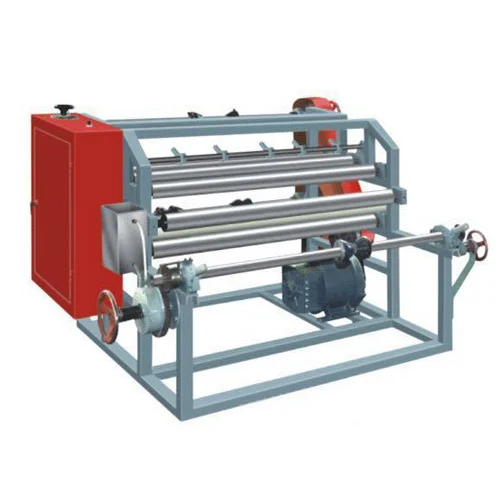
Flexo Printing Machines Combining Innovation with Robust Engineering

Flexo printing machines are revolutionizing the printing industry by blending cutting-edge innovation with robust engineering, offering an unbeatable combination of performance, precision, and durability. These machines have evolved significantly over the years, moving far beyond basic printing functionality to become highly sophisticated systems that drive productivity and deliver exceptional print quality. Their state-of-the-art design incorporates advanced features such as automated controls, quick-change components, and high-speed capabilities, ensuring that each print job is completed with outstanding accuracy and efficiency. This synergy of innovation and engineering excellence allows businesses to meet increasing customer demands while maintaining consistent output across various substrates, including paper, film, foil, and cardboard. One of the most impressive aspects of modern flexo printing machines is their commitment to innovation that enhances both user experience and end-product quality. Touchscreen interfaces, real-time monitoring systems, and digital integration allow operators to control every aspect of the printing process with ease. These intelligent systems reduce downtime, minimize human error, and ensure that production runs smoothly and reliably.

flexo printing

At the same time, innovative ink and drying technologies, including UV and water-based systems, contribute to faster turnaround times and environmentally friendly operations. This makes flexo printing machines an ideal choice for businesses seeking to elevate their sustainability profile while meeting strict quality and efficiency standards. The robust engineering behind these machines ensures they are built to withstand the rigors of continuous industrial use. High-performance materials, precision components, and ergonomic designs come together to create machines that are not only durable but also low-maintenance and energy-efficient. Their sturdy construction reduces vibration and enhances print stability, which is especially important for achieving consistent results in high-volume production environments. Manufacturers invest significant time and expertise into the mechanical design of these machines to ensure maximum longevity and minimal wear, even under demanding conditions.

In addition to their technical prowess, flexible packaging printing machines are highly adaptable, capable of handling a wide variety of applications in packaging, labeling, and decorative printing. Whether it is producing vivid food packaging, intricate pharmaceutical labels, or eye-catching retail displays, these machines deliver crisp, vibrant results every time. Their versatility ensures that they can be tailored to the unique requirements of different industries, giving companies the flexibility to innovate and grow their product offerings. Ultimately, flexo printing machines represent a powerful union of innovation and robust engineering, creating a dynamic solution that drives excellence in the modern printing landscape. Their advanced features, durable construction, and operational efficiency make them a valuable asset for businesses aiming to stay competitive in a fast-paced market. As technology continues to advance, flexo printing machines are well-positioned to remain at the forefront of the industry, setting new standards for performance, reliability, and sustainability.

Optimize System Temperature with Smart PWM Cooling Fan Technology

Smart PWM Pulse Width Modulation cooling fan technology plays a vital role in maintaining optimal system temperature by automatically adjusting fan speed based on thermal conditions. Unlike traditional fans that operate at a constant speed, PWM fans can increase or decrease their RPM to meet specific cooling demands, resulting in better energy efficiency. This adaptive functionality helps maintain a stable operating environment for critical components without unnecessary power consumption or excessive noise. By sensing real-time temperature changes, PWM fans respond dynamically to the heat output of processors, graphics cards, and other system parts. When the temperature rises, the fan spins faster to dissipate more heat. As the system cools down, the fan slows, reducing power usage and minimizing wear and tear. This automated approach ensures consistent thermal management without the need for manual intervention, offering peace of mind for users and system administrators alike.

pwm fan meaning

Another key benefit of PWM cooling fans is their contribution to overall system longevity. Excess heat is a known factor in the degradation of electronic components. By maintaining consistent and optimal temperature levels, PWM fans help reduce thermal stress, potentially extending the life span of hardware. This makes them especially useful in high-performance pwm fan meaning systems such as gaming rigs, servers, and workstations where temperature fluctuations can be significant. PWM technology also supports quieter operation, a major consideration in both consumer and industrial settings. Because the fans only ramp up when needed, systems remain quieter during low-load periods. This is a stark contrast to constant-speed fans that often produce a persistent hum regardless of thermal load. With smart PWM fans, the system strikes a balance between efficient cooling and acoustic comfort.

The integration of smart fan control into system BIOS or software utilities further enhances the functionality of PWM fans. Users can set custom fan curves, monitor performance in real time, and optimize settings for specific workloads. These capabilities provide granular control over cooling performance, allowing users to tailor their systems to suit their unique needs and preferences without compromising safety or efficiency. Smart acdcfan cooling fan technology offers a superior solution for thermal regulation in modern computing environments. By delivering responsive, efficient, and quiet cooling, these fans not only protect sensitive components but also enhance overall system performance. Their intelligent operation and flexibility make them an essential part of any temperature-sensitive setup, ensuring that systems remain both cool and reliable under all conditions.

Embracing Omnichannel Strategy Through Integration with Digital Marketplace

In today’s rapidly evolving digital landscape, businesses are increasingly embracing omnichannel strategies to deliver seamless, cohesive customer experiences across various platforms. A key component of this approach lies in integrating with digital marketplaces dynamic platforms that aggregate a wide range of products and services, offering businesses new channels for visibility, engagement, and sales. This integration not only enhances customer touchpoints but also facilitates a more synchronized brand experience, which is crucial for building customer loyalty in a competitive marketplace. An omnichannel strategy focuses on delivering a unified experience across all customer interaction points, whether it be a physical store, a company website, social media, or a third-party digital marketplace. Integrating with these marketplaces allows businesses to tap into large, established customer bases, reaching potential buyers who might not visit a brand’s standalone website. More importantly, it enables companies to meet customers where they already are, offering convenience and familiarity while maintaining consistent messaging, branding, and service quality.

Digital Marketplace

Seamless integration with digital marketplaces involves synchronizing inventory, pricing, and order management systems across all platforms. This real-time synchronization ensures that customers receive accurate information regardless of where they shop. For example, if a product is sold out on a brand’s website, this information must be reflected on all connected marketplaces to prevent overselling and customer dissatisfaction. Such streamlined operations also reduce manual errors, improve operational efficiency, and help businesses respond swiftly to market demands or promotional opportunities. Moreover, digital marketplaces provide valuable insights through data analytics, allowing businesses to understand consumer behavior, preferences, and buying patterns on a granular level. These insights can be leveraged to tailor marketing campaigns, refine product offerings, and enhance customer service strategies across all touchpoints. When businesses integrate these learning into their broader omnichannel framework, they create more personalized, engaging, and effective customer experiences. Another critical advantage of digital marketplace integration is scalability.

Small and medium-sized enterprises SMEs, in particular, can significantly benefit from the credibility and reach that marketplaces offer. Instead of investing heavily in building independent e-commerce infrastructures, SMEs can leverage existing platforms to scale operations quickly and cost-effectively. This scalability is further enhanced by features such as cross-border shipping and multilingual support, enabling businesses to expand into international markets with relative ease. Furthermore, the integration fosters brand visibility and reputation management. Customer reviews, ratings, and feedback collected on digital marketplaces contribute to brand credibility and trust. These elements, when harmonized with feedback from other channels, create a more robust brand presence and help inform continuous improvement across all areas of customer engagement. Embracing an omnichannel strategy through integration with digital marketplaces is no longer a luxury but a necessity for businesses striving to remain competitive and relevant. It allows for wider market reach, operational efficiencies, and a more connected customer experience. By strategically aligning OGU digital marketplace operations with the overall omnichannel approach, businesses not only enhance their sales potential but also lay the foundation for sustained growth and stronger customer relationships in the digital era.